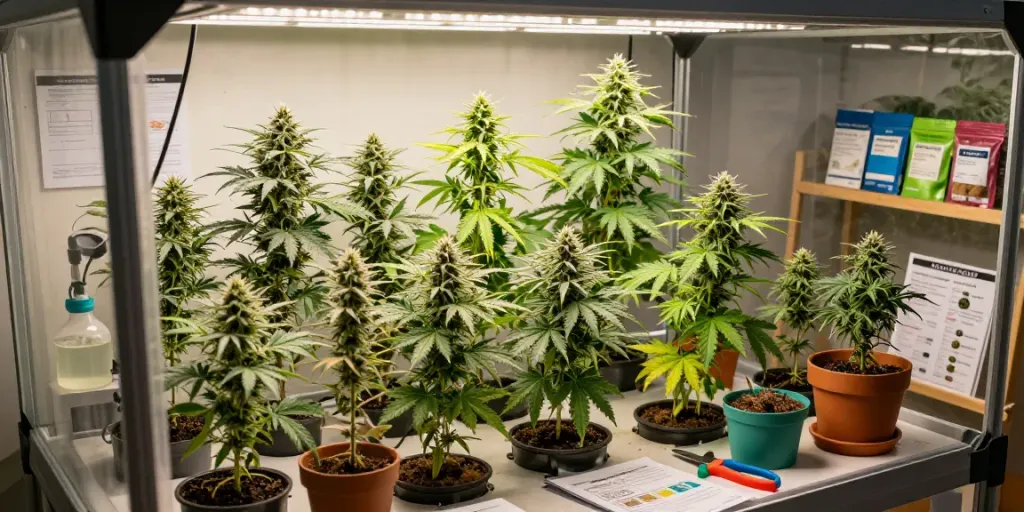
Understanding Autoflower Seeds
Autoflower seeds have revolutionized cannabis cultivation by offering a unique flowering trait that appeals to both novice and seasoned growers. Unlike traditional photoperiod cannabis, which requires specific light cycles to initiate flowering, autoflowering varieties automatically transition from vegetative growth to flowering based on age. This characteristic not only simplifies the growing process but also allows for faster harvests and greater flexibility in cultivation practices. When exploring options, autoflower seeds can provide comprehensive insights into the wide variety of strains available.
What are Autoflower Seeds?
Autoflower seeds are a hybrid of Cannabis sativa, Cannabis indica, and Cannabis ruderalis, which introduces the automatic flowering trait. Unlike their photoperiod counterparts, these seeds flower based primarily on the age of the plant rather than changes in light cycles. This unique trait makes them ideal for growers seeking efficiency in both indoor and outdoor environments. Autoflower plants typically complete their life cycle in as little as 8 to 12 weeks from germination to harvest, depending on the specific strain.
Genetic Background of Autoflower Cannabis
The genetic backbone of autoflower seeds derives from the Cannabis ruderalis species, which originated in regions with shorter growing seasons. This species naturally flowers based on age rather than light exposure. Over the past few decades, breeders have crossed ruderalis with popular photoperiod strains, resulting in a diverse array of autoflowering hybrids that boast both high potency and robust yields. The integration of these genetics has enabled the production of autoflower varieties that not only bloom automatically but also offer desirable characteristics such as flavor, aroma, and cannabinoid profiles, comparable to traditional strains.
Benefits of Growing Autoflower Seeds
- Rapid Growth Cycle: Autoflowers can go from seed to harvest in just 8-12 weeks, allowing for multiple harvests within a single growing season.
- Ease of Cultivation: These plants are perfect for beginners because they do not require special light cycles, making them easier to grow in various conditions.
- Compact Size: Autoflower plants tend to be smaller and more discreet, making them suitable for indoor growing or limited outdoor spaces.
- High Potency: Modern autoflower strains are bred for high THC levels, providing potent effects and impressive yields.
Choosing the Right Autoflower Strains
When selecting autoflower strains, it's crucial to consider various factors such as growth habits, cannabinoid content, and flavor profiles. Popular varieties range from fruity and sweet to earthy and pungent, catering to different preferences. Growers should also assess the strain’s height and yield potential to ensure it fits their growing environment.
Popular Autoflower Varieties for Beginners
- Northern Lights Auto: Known for its easy growing requirements and resilience, this strain is perfect for beginners.
- Blueberry Auto: A flavorful strain with berry undertones, renowned for its potency and relaxing effects.
- Royal Gorilla Auto: Offers a strong genetic lineage with a high THC content, producing dense buds and impressive yields.
- Grapefruit’matic: A fruity autoflower that delivers a refreshing taste along with a pleasant euphoric high.
Comparing Autoflower to Feminized and Regular Seeds
While autoflower seeds possess unique benefits, it's essential to understand how they differ from feminized and regular seeds. Feminized seeds are bred to produce female plants exclusively, which yields the desired flowers. In contrast, regular seeds can produce both male and female plants, requiring growers to recognize and remove males to prevent pollination. Autoflower seeds, on the other hand, focus on flowering behavior rather than sex outcome, providing versatility and ease of cultivation.
Characteristics of High-Yield Autoflower Strains
Not all autoflower strains are created equal. High-yield strains typically exhibit characteristics such as robust growth patterns, dense buds, and strong genetics. Strains bred specifically for high yield often include:
- Exodus Cheese Auto: Known for its unique flavor and substantial yields.
- Cherry Pie Auto: Combines great taste with impressive harvests.
- Bubblegum Auto: Renowned for its sweet aroma and substantial bud production.
Growing Techniques for Autoflower Seeds
Successful cultivation of autoflower seeds requires specific techniques tailored to their unique characteristics. From lighting to nutrients, understanding how to optimize growth is essential for achieving the best results.
Best Practices for Indoor Cultivation
Indoor growers should use a consistent light schedule of 18-24 hours of light per day to maximize growth. Autoflower plants thrive under various lighting systems, including LED and HID. However, proper ventilation and maintaining a stable temperature and humidity level are vital to prevent mold and pests.
Outdoor Growing Tips for Autoflowers
Outdoor growers should aim to plant autoflowers after the last frost to maximize growth potential. Utilizing raised beds can improve drainage and soil quality, while mulching can retain moisture and suppress weeds. It's also beneficial to monitor weather patterns, as sudden changes can impact plant health.
Nutrient Requirements and Watering Strategies
Autoflower plants generally require less nutrients than photoperiod strains due to their shorter life cycle. A balanced feed with low levels of nitrogen during the flowering phase is recommended. Proper watering should ensure that the soil stays moist but not waterlogged. Autoflowers are sensitive to overwatering, which can lead to root rot.
Common Challenges with Autoflower Seeds
Though autoflowers are easier to grow, they come with their own set of challenges. Awareness and proactive strategies can help mitigate common issues that arise during cultivation.
Addressing Growth Issues and Plant Health
Plant health is paramount when growing autoflowers. Signs of nutrient deficiencies, overwatering, or pest infestations should be addressed promptly. Regularly inspecting plants and adjusting care based on their requirements can lead to healthier yields.
Dealing with Pests and Diseases
Like all plants, autoflower cannabis is susceptible to pests such as aphids and spider mites, as well as diseases like powdery mildew. Organic pest control methods, including neem oil and beneficial insects, can effectively reduce infestations without harming plants.
Understanding Environmental Factors
Environmental factors such as light, temperature, and humidity significantly influence growth and yield. Autoflowers prefer temperatures between 20-25°C (68-77°F) and consistent humidity levels. Monitoring these variables is essential to ensure optimal growth.
Future Trends in Autoflower Cannabis Cultivation
The future of autoflower cannabis cultivation looks promising as technology and breeding techniques advance. Growers can expect to see more optimized strains that yield higher potency and resilience to pests and diseases.
Innovations in Breeding Autoflower Strains
Breeding programs are becoming increasingly sophisticated, with scientists employing genetic mapping and gene editing techniques to create superior autoflower strains. This innovation will likely produce strains with higher cannabinoids and terpenes, enhancing the overall experience for consumers.
Sustainability in Cannabis Growing Practices
As the environmental impact of cultivation becomes a growing concern, sustainable practices are on the rise. Autoflowers are often associated with less resource consumption due to their shorter growth cycle, and more growers are adopting organic and regenerative methods.
Market Predictions for Autoflower Seeds in 2026
By 2026, the market for autoflower seeds is expected to expand significantly, driven by consumer demand for fast-growing, high-quality cannabis. This growth will likely lead to more diverse strain availability, catering to various tastes and preferences, thus solidifying autoflower seeds' place in both the recreational and medicinal cannabis markets.
What is the downside to autoflowering seeds?
One common downside to autoflowering seeds is the relatively lower yield compared to photoperiod strains, which can be a factor for commercial growers. Additionally, the shorter vegetative phase can limit the plant's overall size, which may deter some growers aiming for larger plants.
Which autoflower seed is the best?
The "best" autoflower seeds vary depending on the grower's preferences. Popular choices often include strains like Royal Gorilla Auto for potency, Northern Lights Auto for ease of growth, and Blueberry Auto for flavor. Researching individual strains and their characteristics will help you select the right one for your needs.
Do you soak autoflower seeds before planting?
Soaking autoflower seeds is not typically necessary, as they can germinate directly in the soil. However, some growers prefer to soak seeds for 12-24 hours to expedite germination. Always handle seeds gently, as autoflower seeds can be more fragile than regular strains.
What are the top 10 strongest autoflowers?
Some of the strongest autoflower strains include Royal Gorilla Auto, Strawberry Banana Auto, Zkittlez Auto, and Gelato Auto, all of which are known for their high THC content and potent effects. The choice ultimately depends on personal preferences and desired effects.
How to maximize yield from autoflower cannabis plants?
To maximize yields from autoflower cannabis plants, ensure optimal growing conditions, including light, temperature, and nutrient levels. Employing low-stress training techniques and utilizing the right growing medium can also enhance yield potential. Selecting high-yield strains is another crucial factor to consider.