
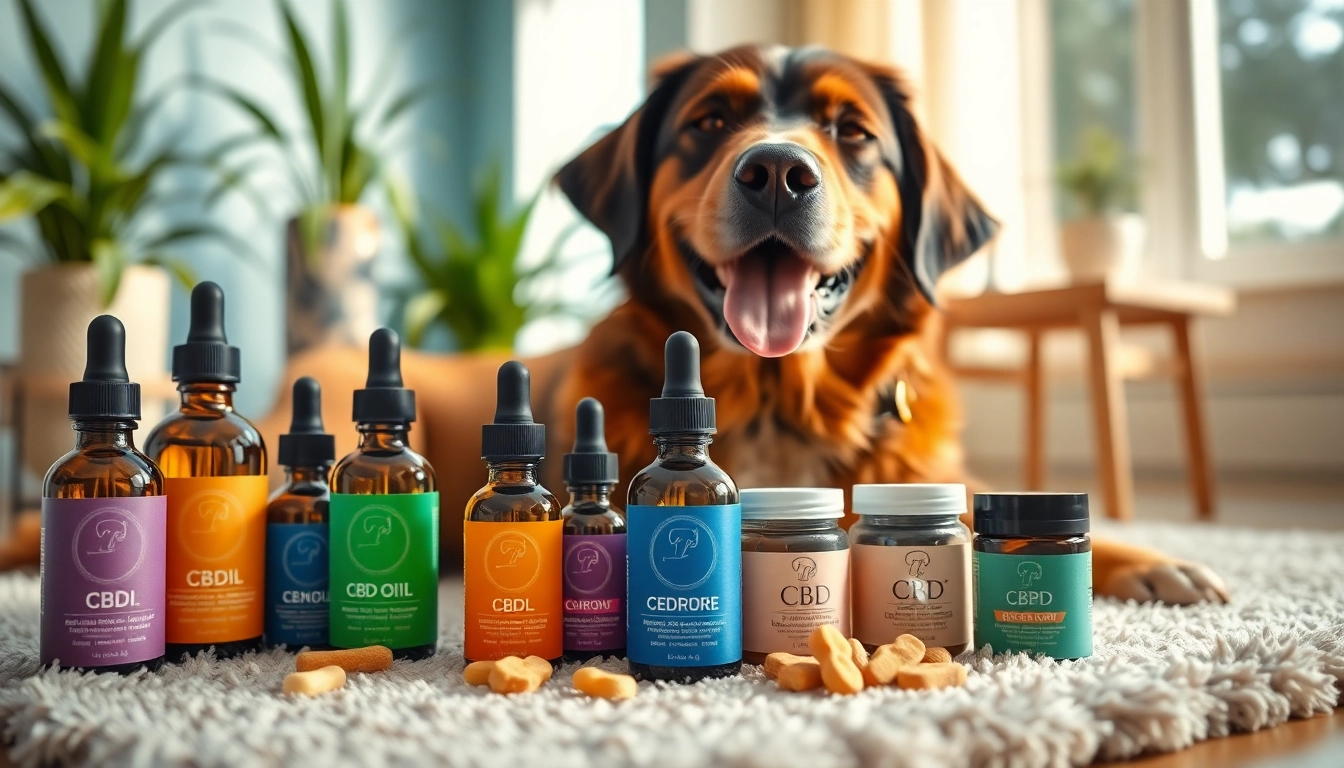
The Basics of CBD For Pet
Cannabidiol (CBD) has gained considerable attention for its potential in improving the well-being of pets, thanks to its non-psychoactive properties and multiple health benefits. Understanding the implications and applications of CBD is crucial for pet owners looking to enhance their furry companions' quality of life. This guide will delve into the workings of CBD, its benefits, and the current legal landscape surrounding its use.
What is CBD and How Does it Work?
CBD is one of over a hundred cannabinoids found in the cannabis plant, specifically in hemp. Unlike its counterpart THC (tetrahydrocannabinol), CBD does not produce a "high" or intoxicated effect. Instead, it interacts with the endocannabinoid system (ECS) present in all mammals, which plays a critical role in maintaining homeostasis—essentially helping the body balance its physiological processes.
The ECS consists of receptors (CB1 and CB2), endocannabinoids, and enzymes that facilitate various bodily functions such as mood, sleep, appetite, pain perception, and immune response. CBD binds to these receptors to signal the body to relieve stress, improve sleep, reduce inflammation, and enhance overall health without the psychoactive effects associated with THC.
Understanding the Benefits of CBD for Pets
The potential benefits of CBD for pets are varied and significant. Many pet owners have turned to CBD as a holistic treatment option for common issues faced by their pets. Here are some notable benefits:
- Anxiety and Stress Relief: CBD has shown promise in helping manage anxiety in pets, whether due to separation, loud noises, or other stressors.
- Pain and Inflammation Management: Studies suggest that CBD can be effective in reducing pain and inflammation, making it useful for aging pets or those suffering from conditions like arthritis.
- Improved Sleep Patterns: For pets that have trouble sleeping due to anxiety or discomfort, CBD may promote better sleep quality.
- Appetite Stimulation: CBD may serve as an appetite stimulant, beneficial for pets experiencing a loss of appetite due to illness or stress.
- Seizure Control: Some studies indicate that CBD may reduce the frequency and severity of seizures in certain conditions.
Legal Considerations Around CBD For Pet Use
As CBD for pets expands in popularity, the legal framework surrounding its use is evolving but can be complex. The legality of CBD varies by location and primarily depends on whether the product is derived from hemp or marijuana. In the United States, the 2018 Farm Bill legalized hemp-derived CBD as long as it contains less than 0.3% THC. However, regulatory agencies like the FDA have yet to officially approve CBD products for veterinary use.
Pet owners should consider their state laws and regulations when contemplating the use of CBD for their pets, ensuring they source products from reputable manufacturers that comply with these legal guidelines.
Types of CBD Products for Pets
Choosing the right CBD product for your pet can be daunting, given the variety available on the market. Each type has its unique attributes, benefits, and formulations.
Oils vs. Treats: Choosing the Right Form of CBD For Pet
When considering CBD products, pet owners typically encounter two main forms: oils and treats.
Oils: CBD oils or tinctures are highly concentrated and offer precise dosing. They can be administered directly into a pet’s mouth or added to their food. Oils allow for flexibility in dosage, making it easier to adjust as needed based on the pet's response.
Treats: CBD-infused treats provide a palatable way for pets to consume CBD. These come in various flavors and formulations, often making them appealing to picky eaters. However, dosing can be less precise compared to oils, as different treats may contain varying concentrations.
Full-Spectrum vs. Isolate: What’s Best for Your Pet?
When selecting CBD products, pet owners will often encounter terms like “full-spectrum” and “isolate.” Understanding these can assist in choosing the right formulation for your pet.
Full-Spectrum CBD: This type contains all the cannabinoids found in the cannabis plant, including trace amounts of THC (below legal limits). The synergy between these compounds is believed to enhance the overall therapeutic effects, a phenomenon referred to as the “entourage effect.”
CBD Isolate: CBD isolate is the purest form of CBD, containing 99% CBD with no other cannabinoids or compounds from the cannabis plant. While it may be suitable for some pets and particular conditions, it lacks the entourage effect that full-spectrum CBD offers.
Homemade CBD Treats: A Safe Alternative?
For pet owners looking to customize their pets’ CBD intake, homemade treats can be a viable option. By making treats at home, you can control the ingredients and dosages more effectively. However, it is essential to ensure that the recipes use safe, pet-friendly ingredients and that the CBD oil is of high quality. This method can empower owners to cater to their pets’ unique tastes and dietary needs while incorporating CBD into their routines.
How to Use CBD For Pet Safely
Administration of CBD to pets requires careful consideration of dosage, product selection, and potential side effects. Making informed decisions enhances safety and efficacy.
Dosage Guidelines for Different Size Pets
Determining the correct dosage of CBD fundamentally depends on the pet’s weight. A common guideline suggests starting with 1-2 mg of CBD for every 10 pounds of body weight once or twice daily, gradually increasing as needed based on the pet's response. It is essential to follow the manufacturer's guidelines and consult with a veterinarian for personalized advice.
Identifying the Right Product for Your Pet’s Needs
Every pet is unique, which means that their needs may vary. When selecting a CBD product, consider the specific health issues your pet may be experiencing. For anxiety, a CBD oil with additional calming herbs may be suitable, while older pets with joint pain may benefit from full-spectrum oils or treats specifically formulated for inflammation and mobility.
Possible Side Effects to Watch For
While CBD is generally well tolerated by pets, some may experience mild side effects, including:
- Dry mouth, leading to increased thirst
- Fatigue or drowsiness
- Changes in appetite
- Diarrhea in rare cases
Monitoring your pet after administering CBD, especially during the initial period, is crucial. If any adverse reactions are noticed, it's advisable to consult a veterinarian promptly.
Research and Efficacy of CBD For Pet
The application of CBD in veterinary medicine is backed by an increasing number of studies. While more research is needed to solidify its efficacy for various conditions, some promising findings have emerged.
Scientific Studies Supporting CBD Use in Pets
Research highlights the therapeutic potentials of CBD. One notable study found that approximately 80% of dogs treated with CBD oil showed a notable decrease in pain and an improvement in mobility over a period of time. Additional studies are expanding our understanding of how CBD interacts with different health conditions in pets, particularly regarding epilepsy, anxiety, and chronic pain management.
Owner Testimonials and Success Stories
Numerous pet owners have reported positive changes after introducing CBD into their pets' diets, ranging from reduced anxiety levels during thunderstorms to significant improvements in mobility for aging pets. The personal experiences of owners often add a powerful narrative to the discussions around CBD use in pets, highlighting its potential as a transformative option for animal health.
Challenges in CBD Research for Pets
Despite the growing interest in CBD for pets, research faces several challenges, including a lack of rigorous regulatory frameworks, variability in product quality, and the need for controlled studies to assess long-term effects. As the field matures, convincing evidence will emerge to guide both pet owners and healthcare providers in making informed decisions.
Making Informed Choices for Your Pet’s Health
As the market for CBD for pets continues to bloom, owners must remain diligent in their pursuit of safe, effective products. Educational resources are invaluable in navigating this emerging supplement market.
How to Choose Quality CBD For Pet Products
When searching for quality CBD products, look for the following indicators:
- Third-Party Testing: Reliable products should be tested by an independent laboratory to ensure safety and accurate labeling.
- Full Ingredient Transparency: Products should disclose all ingredients, sourcing information, and the specific cannabinoid content.
- Customer Reviews: Consider feedback from other pet owners, focusing on product effectiveness and any reported side effects.
Working with Veterinarians on CBD Use
Before starting any new treatment regimen, it is crucial to involve a veterinarian, particularly one who has experience with CBD. They can provide tailored advice based on your pet’s health status, current medications, and specific needs. This collaborative approach ensures that any CBD use is safe and beneficial.
Future Trends in CBD For Pet Products
The market for CBD in pet care is evolving, with increasing innovation and research likely to bring about new formulations and delivery methods. As understanding and regulatory clarity improve, pet owners can expect to encounter a broader range of effective, safe CBD products tailored to specific health issues.
In conclusion, while the use of CBD for pets holds immense promise, responsible ownership involves thorough research, proper product selection, and consultation with professionals. You can enhance the health and happiness of your pet through well-informed choices surrounding CBD For Pet.