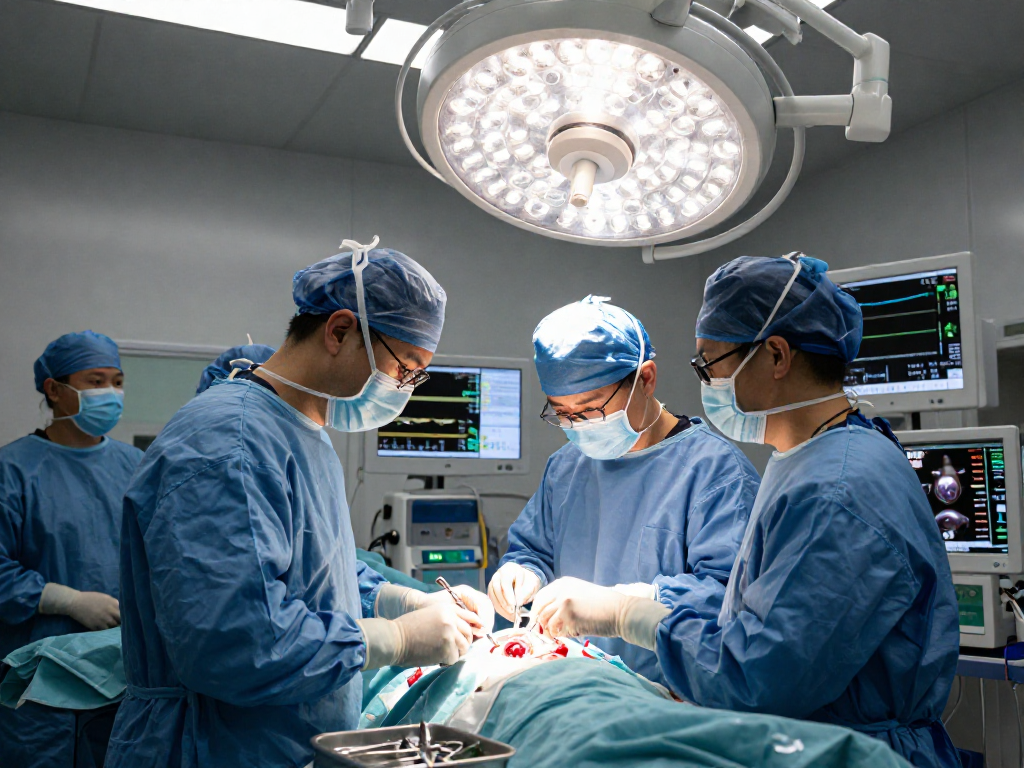
Understanding Beyin Tümörü Ameliyatı
Beyin tümörü ameliyatı is a crucial procedure aimed at treating both benign and malignant brain tumors. This surgical intervention is not only one of the most common forms of treatment but also the most effective in managing the complexities associated with brain tumor diseases. Understanding the intricacies of the surgery, the types of tumors involved, and the implications of the surgical approach is vital for patients and their families. When exploring options, beyin tümörü ameliyatı provides comprehensive insights into what to expect throughout this journey.
What is Beyin Tümörü Ameliyatı?
Beyin tümörü ameliyatı refers to the surgical techniques employed to remove tumors from the brain. This can include various types of tumors, such as meningiomas, gliomas, and metastatic tumors. The surgery's primary goal is to excise the tumor effectively while minimizing damage to surrounding brain tissue. Each case is unique, necessitating tailored surgical strategies based on the tumor's characteristics, its location, and the patient's overall health condition.
Types of Brain Tumors Treated with Surgery
Brain tumors can be categorized into two main types: primary tumors, which originate in the brain, and secondary tumors, or metastases, which spread from cancer occurring elsewhere in the body. The most common types treated surgically include:
- Meningiomas: Typically benign tumors arising from the protective layers surrounding the brain.
- Glial Tumors: These include astrocytomas and glioblastomas, with the latter being highly aggressive.
- Metastatic Tumors: Secondary tumors that originate from cancers such as lung, breast, or melanoma.
Importance of Early Diagnosis and Treatment
Early diagnosis plays a pivotal role in the prognosis of patients with brain tumors. Symptoms can vary significantly depending on tumor type and location, often leading to delays in diagnosis. Advances in imaging technologies, such as MRI and CT scans, have improved the accuracy of tumor detection. Prompt treatment can lead to better surgical outcomes and enhance the overall quality of life for patients.
Stages of Beyin Tümörü Ameliyatı
Pre-Operative Preparation and Evaluation
The preparation phase for beyin tümörü ameliyatı is critical. It involves comprehensive evaluations, including neurological assessments and advanced imaging to ascertain the tumor's characteristics and its relationship with surrounding brain structures. This stage lays the groundwork for tailored surgical planning to mitigate risks and enhance surgical success.
Procedural Steps During the Surgery
The surgical procedure generally involves the following steps:
- Anesthesia: Patients are placed under general anesthesia to ensure they remain unconscious during the procedure.
- Craniotomy: The surgeon creates a small opening in the skull to access the tumor.
- Tumor Removal: Using precision instruments, the surgeon carefully excises the tumor while monitoring critical brain functions.
- Closure: After tumor removal, the surgical site is meticulously closed to promote healing.
Post-Operative Care and Monitoring
Post-surgery, patients are typically monitored in a recovery unit, where their vital signs and neurological status are assessed. Regular imaging tests are conducted to evaluate the success of the surgery and check for any potential complications. Rehabilitation may be required to address any cognitive or physical impairments caused by the tumor or the surgery itself.
Risks and Benefits of Beyin Tümörü Ameliyatı
Common Risks Associated with the Surgery
Like any major surgical procedure, beyin tümörü ameliyatı carries inherent risks. These may include:
- Infection at the surgical site
- Bleeding in the brain
- Neurological deficits, such as motor function loss or language difficulties
- Seizures
- Persistent headaches
Potential Benefits and Recovery Expectations
The primary benefit of undergoing brain tumor surgery is the potential for complete tumor removal, which can alleviate symptoms and improve quality of life. Recovery times vary based on the tumor's type, location, and the patient’s overall health. Typically, patients may expect a hospital stay of several days to a week, followed by outpatient recovery. Rehabilitation services, including physical and occupational therapy, may be necessary to facilitate recovery.
Long-Term Outcomes and Follow-Up Care
Long-term outcomes depend significantly on the tumor type and grade. Regular follow-up appointments and imaging studies are essential to monitor for tumor recurrence or complications. Patients are advised to maintain a healthy lifestyle to support recovery and overall well-being.
Innovative Techniques in Beyin Tümörü Ameliyatı
Meningioma and Gamma Knife Treatments
Gamma Knife radiosurgery is an innovative treatment method used particularly for meningiomas that cannot be easily surgically excised. This non-invasive technique uses focused radiation to target tumor cells, minimizing damage to surrounding tissues and providing an alternative for patients with poor surgical candidacy.
Awake Brain Surgery: Pros and Cons
A wake-up procedure, known as awake craniotomy, is utilized for tumors located in areas of the brain that control vital functions, such as speech and movement. During these surgeries, patients are kept awake and responsive to ensure that critical brain functions are not compromised. This technique has been shown to significantly reduce the risk of postoperative deficits.
Future Trends in Neurosurgery for 2026 and Beyond
As neuroscience continues to evolve, innovative technologies such as artificial intelligence and advanced imaging techniques are expected to play a pivotal role in improving surgical planning and outcomes. These advancements will enhance the precision of tumor localization, surgical navigation, and the overall efficiency of brain tumor surgeries.
FAQs About Beyin Tümörü Ameliyatı
What are the typical recovery times after surgery?
Recovery times vary widely among patients, often ranging from several weeks to months, depending on factors such as the type of tumor, the extent of the surgical procedure, and individual health conditions.
Will I need additional treatments after beyin tümörü ameliyatı?
Many patients may require additional treatments, including radiation or chemotherapy, especially if the tumor is malignant or has certain aggressive features.
How can I prepare for my beyin tümörü ameliyatı?
Preparation involves thorough medical evaluations, discussions with your surgical team about expectations, understanding the procedure, and following pre-operative instructions regarding medications and diet.
What should I expect during the follow-up appointments?
Follow-up appointments typically include assessments of neurological function, reviews of imaging studies, and discussions of any symptoms experienced post-surgery. These sessions are crucial for monitoring for potential recurrences or complications.
Are there alternative treatments to surgery for brain tumors?
Depending on the tumor's type and location, alternative treatments may include radiation therapy, chemotherapy, or targeted therapy. For more information, beyin tümörü ameliyatı offers valuable insights. These options are often tailored to the individual patient based on their unique situation and tumor characteristics.