
Understanding Youth Soccer Programs
Youth soccer provides an invaluable platform for children to develop essential skills, not just in athletics but also in teamwork, discipline, and resilience. Within this framework, mequonsoccerclub.com stands out as a community resource aimed at unlocking the potential of young players through structured programs and dedicated coaching. Understanding the basics of youth soccer programs will empower parents and players alike to make informed decisions about their participation and development.
What is mequonsoccerclub.com?
Mequon Soccer Club is a community-based organization designed to foster the love of soccer among youth players. Located in Mequon, Wisconsin, this club offers a wide range of programs tailored to various skill levels and age groups. The club’s mission emphasizes not only teaching soccer skills but also promoting sportsmanship, teamwork, and a healthy lifestyle. Ultimately, Mequon Soccer Club aims to create a positive and enriching environment that nurtures the next generation of soccer stars.
Importance of Youth Soccer for Development
The benefits of participating in youth soccer extend far beyond just physical activity. Engaging in this sport helps children develop critical life skills. For instance, teamwork and communication are fundamental as players learn to collaborate towards a common goal. Additionally, youth soccer can enhance cognitive abilities by encouraging strategizing and decision-making in dynamic situations on the field. Most importantly, the sport fosters a sense of belonging and community, which is crucial in a child’s social development.
Types of Programs Offered
Mequon Soccer Club offers several types of programs to cater to the diverse needs of its young athletes:
- Recreational Teams: Ideal for beginners, these teams focus on teaching basic skills in a fun environment.
- Competitive Teams: Designed for players who wish to take their skills to the next level, these teams participate in leagues and tournaments.
- Developmental Clinics: These clinics provide specialized training in specific skills, such as dribbling and shooting.
- Goalkeeper Training: Dedicated sessions to train aspiring goalkeepers in the art of shot-stopping and distribution.
Getting Started with Soccer
Starting soccer can feel overwhelming for both children and parents, but with the right guidance, the transition can be seamless. To help players get the best start, it’s important to focus on foundational elements such as skill development, equipment selection, and understanding the game rules.
Basic Skills and Drills for Beginners
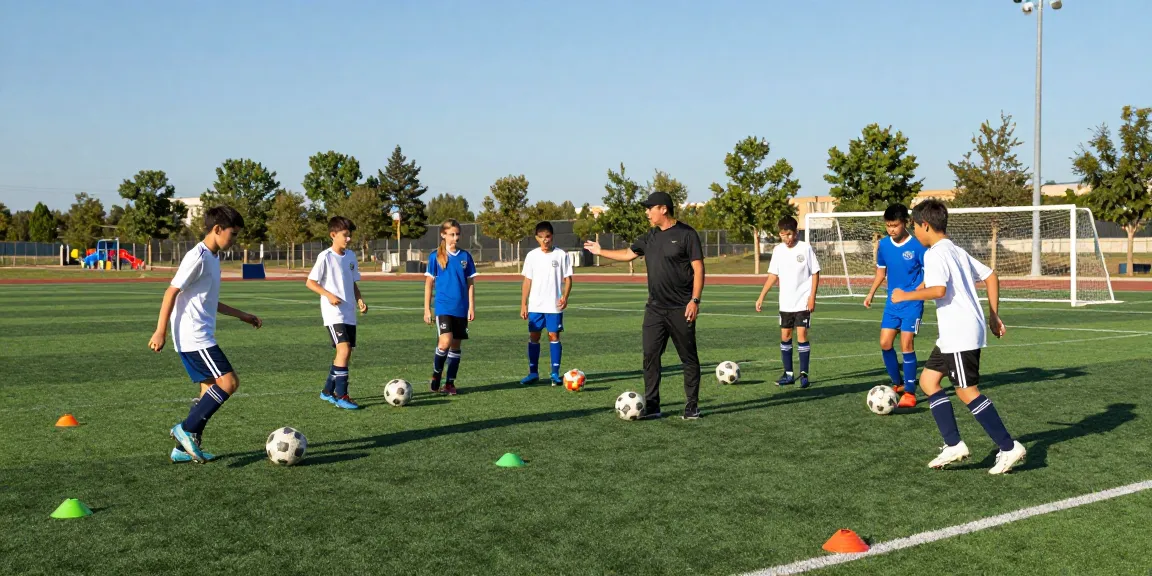
Beginner players should focus on mastering fundamental skills. Drills like dribbling through cones and basic passing can significantly improve a child’s coordination and control of the ball. Simple games like “Sharks and Minnows” or “Red Light, Green Light” incorporate movement and can be both fun and educational.
Choosing the Right Equipment
Having the right gear is essential for young players. Basic equipment includes appropriate soccer cleats, shin guards, and a soccer ball. It’s vital to choose size-appropriate items to ensure safety and comfort. As players advance, they may need specialized gear, like goalie gloves or specific types of balls for different age groups.
Understanding the Game Rules
Teaching young players the fundamental rules of soccer is crucial. Understanding concepts such as offside, fouls, and basic gameplay can significantly enhance their appreciation of the sport. Furthermore, familiarizing them with the expectations of sportsmanship and respect toward referees and opponents contributes to their overall development.
Building a Competitive Team Environment
A successful team environment hinges on strong dynamics, effective coaching, and goal-setting. Coaches and parents play pivotal roles in instilling values that will not only enhance player performance but also contribute to personal growth.
Team Dynamics and Cooperation
Team dynamics can greatly affect a player’s experience. Promoting a culture of cooperation and trust among players allows individuals to feel secure in their roles. Activities that require teamwork, such as group challenges or problem-solving tasks, can strengthen these bonds and cultivate a sense of unity.
Effective Coaching Techniques
Coaches should adopt a multifaceted approach to nurture their players. Techniques such as positive reinforcement, individual feedback, and personalized training programs can significantly influence player development. Engaging players in decision-making processes enhances their understanding and mastery of the game.
Setting Goals for Team Development
Establishing clear, measurable goals is essential for any team. These goals can range from improving specific skills to achieving success in league play. Regular meetings to evaluate progress enable teams to stay focused and motivated, leading to greater overall success both on and off the field.
Health and Safety in Youth Soccer
Prioritizing health and safety is non-negotiable in youth sports. With the rising concern over injuries, it is crucial for clubs like Mequon Soccer Club to implement practices that safeguard the well-being of young athletes.
Injury Prevention Strategies
To reduce the risk of injuries, players should undergo proper warm-up routines and stretching before games and practices. Additionally, teaching correct techniques, such as proper tackling and collision avoidance, minimizes injury risk while ensuring that kids can enjoy the game safely.
Nutrition Tips for Young Athletes
Nutrition plays a vital role in a young athlete’s performance. A balanced diet rich in fruits, vegetables, proteins, and whole grains fuels their energy for practices and games. Parents should prioritize hydration and educate their children about the importance of healthy snacking before and after games.
Balancing Play and Academic Responsibilities
Young athletes often juggle sports with academic responsibilities, which can be daunting. Establishing a balanced routine is crucial. Parents should encourage time management skills while supporting their children in prioritizing both schoolwork and soccer commitments. This balance ensures that kids can thrive in both arenas without feeling overwhelmed.
Looking Ahead: Future of Youth Soccer at Mequon
As youth soccer evolves, it is essential to stay ahead of trends and incorporate innovative practices that will enhance player development. Here’s what to look forward to in the coming years.
Trends in Youth Sports for 2026
The landscape of youth sports is continuously changing, and by 2026, we can expect to see increased focus on inclusivity and technology in training. More clubs will embrace adaptive sports programs allowing children of all abilities to participate and enjoy soccer.
Community Involvement and Support
Engagement with the local community plays a significant role in the success of youth soccer clubs. Strong partnerships with schools and local businesses can create sponsorship opportunities, provide resources, and foster a culture of support for young athletes.
How Technology is Shaping Soccer Training
Technology is becoming increasingly important in enhancing soccer training. With tools like video analysis, wearables, and apps designed to track progress, players can gain insights into their performance and areas for improvement. These innovations can significantly elevate training methods.
What Should New Players Know?
New players should focus on enjoying the game above all else. Understanding that mistakes are part of the learning process is crucial. Encouragement from parents and coaches can help foster a love for soccer, paving the way for long-term development and success.
How Can Parents Support Their Young Athletes?
Parents play a crucial role in their child’s sporting journey. Providing emotional support, attending games, and fostering a positive attitude toward losses and victories alike can boost a child’s confidence and motivation. Additionally, parents should avoid placing undue pressure on young athletes, allowing them to enjoy the game.
What are the Benefits of Joining a Soccer Club?
Joining a soccer club like Mequon Soccer Club provides players with structured training, professional coaching, and the opportunity to meet peers who share their interests. These experiences not only enhance soccer skills but also contribute to personal development, building friendships and memories that last a lifetime.
How to Find the Right Team for Your Child?
When searching for a soccer team, consider factors such as the club’s philosophy, coaching quality, and skill level. Attend open practices or discussions with coaches to ensure that it aligns with your child’s needs and aspirations. Additionally, seek recommendations from other parents for insight into their experiences.
What Skills Will Players Develop in Youth Soccer?
Youth soccer cultivates a variety of skills essential for both athletic and personal growth. Players learn not only technical soccer skills—like passing, shooting, and defending—but also critical life skills such as teamwork, perseverance, and leadership. These attributes will serve them well both on and off the field.
How to Get Involved in Community Soccer Events?
Participating in community soccer events is an excellent way for families to engage with the sport. Parents can volunteer or coach, while kids can join local leagues or participate in clinics. Engaging with community events fosters camaraderie and deepens one’s connection to the sport.
What is the Best Age to Start Playing Soccer?
The best age to start playing soccer generally falls between ages 4 to 6. At this stage, children can grasp basic motor skills through play while enjoying the fundamentals of soccer. Early exposure to the sport helps build their skills and enthusiasm as they grow.