
Understanding Sports Broadcasting Basics
Definition of Sports Broadcasting
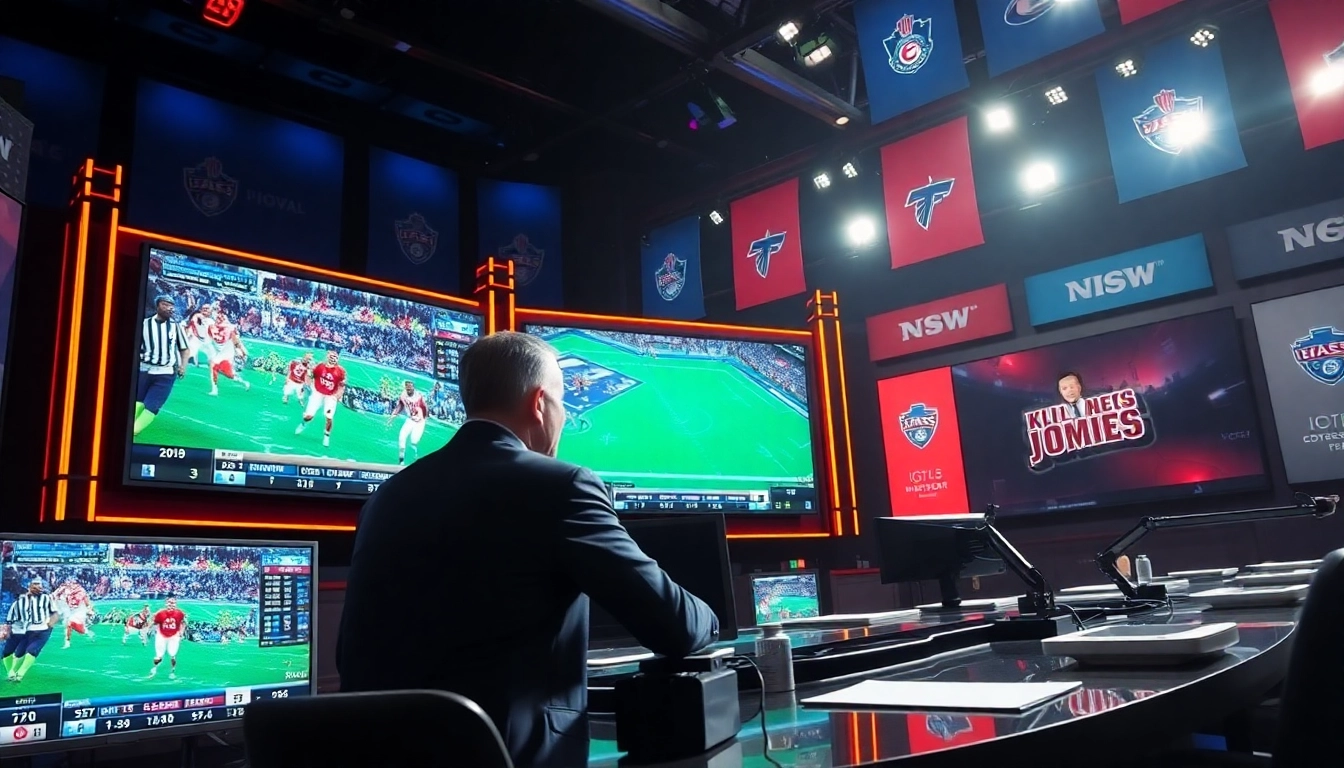
Sports broadcasting refers to the dissemination of live or recorded sports events via various media platforms, including television, radio, and online channels. This field encompasses play-by-play commentary, analysis, interviews, and highlights, allowing fans to keep up with their favorite sports and teams. As a vital part of the sporting experience, Sports Broadcasting connects viewers with the excitement and drama of live competition.
Importance of Sports Broadcasting
The significance of sports broadcasting cannot be overstated. It enhances fan engagement, provides critical revenue streams for teams and leagues, and serves as a platform for promoting various sports. Broadcasting not only showcases athletic talent but also fosters community spirit and identity among fans. Moreover, it plays a pivotal role in the global expansion of sports, allowing international audiences access to diverse sporting events.
Popular Sports Broadcasting Formats
Various formats exist within sports broadcasting, each catering to different audience preferences and technological advancements. Traditional television broadcasts often feature high production value, offering extensive pre-game and post-game coverage. Radio broadcasts, while less visual, provide dynamic commentary that engages listeners. Increasingly, digital streaming platforms are becoming popular, allowing for on-demand viewing and personalized content delivery. Social media is also a growing avenue for sports content, providing quick updates and highlights, fostering interactive fan experiences.
Key Techniques for Effective Sports Broadcasting
Researching for Audience Engagement
An effective sports broadcaster must engage their audience through extensive research. Understanding the demographics, interests, and habits of the target audience can make the difference between a mundane broadcast and a captivating one. Broadcasters can utilize surveys, social media analytics, and viewer ratings to tailor their commentary, ensuring it resonates well with audiences and enhances viewer satisfaction.
Commentary Techniques for Clarity
Clear and concise commentary is crucial in sports broadcasting. Broadcasters should practice the art of storytelling while maintaining clarity to avoid overwhelming the audience with too much information. Techniques such as using simple language, pacing their delivery, and employing effective vocal modulation enhance understanding and retain viewer interest. Furthermore, using player profiles and historical context enriches the narrative without complicating it.
Using Statistics to Enhance Coverage
In today's data-driven sports environment, statistics are paramount. Broadcasters should seamlessly integrate relevant statistics into their narratives to provide depth and context. Advanced metrics, player statistics, and historical data not only enrich the commentary but also help in educating the audience. Leveraging graphics and visual aids to present this data can enhance viewer engagement and comprehension.
Technological Advancements in Sports Broadcasting
Impact of Streaming Services
The rise of streaming services has dramatically reshaped sports broadcasting. These platforms offer flexible viewing options, catering to modern audiences who seek convenience. Personalized content experiences allow viewers to select which games to watch, and emerging technologies enable interactive features, such as multi-angle views and instant replays. Streaming has also extended the reach of sports, making content accessible globally, thus contributing to the growth of niche sports.
Use of Augmented Reality in Broadcasts
Augmented reality (AR) is revolutionizing the viewing experience in sports broadcasting. By integrating AR tools, broadcasters can offer enhanced visual information, like real-time statistics layered over live action or 3D graphics of player movements. This technology not only enriches the broadcast but also serves as a powerful tool for storytelling, providing viewers with a deeper understanding of the game dynamics.
DevOps Practices for Seamless Broadcasting
Implementing DevOps practices within sports broadcasting can ensure a smooth and efficient workflow. This approach fosters collaboration between teams, enhancing the speed and quality of content delivery. By using automated testing and continuous integration, broadcasters can quickly adapt to changes, ensuring that content is delivered seamlessly, particularly during live events. Effective communication tools and agile methodologies streamline processes, reducing potential downtimes and technical issues.
Challenges in Sports Broadcasting
Dealing with Live Event Uncertainties
One of the inherent challenges in sports broadcasting is the unpredictability of live events. Broadcasters must be agile and adaptable, developing contingency plans for unexpected occurrences, such as injuries or weather disruptions. Training staff to handle unforeseen situations with composure and creativity is essential, ensuring that the viewing experience remains uninterrupted. Additionally, pre-prepared content can help fill time during unexpected breaks.
Managing Audience Expectations
Audiences have increasingly high expectations for sports broadcasts, demanding not just high-definition visuals but also compelling commentary and enriched content. Broadcasters must stay attuned to audience feedback, continuously improving their production quality and content delivery. Establishing channels for audience interaction, such as social media engagement, can provide insights into viewer preferences, enabling tailored broadcasting experiences.
Navigating Language and Cultural Barriers
In our globalized world, sports broadcasting often crosses linguistic and cultural boundaries. Broadcasters must navigate these challenges by providing multilingual commentary and culturally relevant content. Collaborating with local broadcasters can enhance understanding and adapt broadcasts to regional customs, thus broadening their audience base and fostering inclusivity. Additionally, using graphics and subtitles can bridge language gaps effectively.
Future Trends in Sports Broadcasting
Shift Towards Personalized Content
The future of sports broadcasting lies in personalization. With the extensive use of data analytics, broadcasters can curate content tailored to individual viewer preferences, interests, and viewing habits. This not only enhances viewer engagement but also fosters loyalty. Implementing algorithms that recommend games, highlights, and related content can revolutionize how audiences consume sports, paving the way for a more interactive experience.
Sustainable Broadcasting Practices
As the world increasingly shifts towards sustainability, the sports broadcasting industry is also embracing eco-friendly practices. From reducing carbon footprints associated with production to utilizing renewable energy sources, conscious broadcasting can play a role in environmental protection. Developing partnerships with organizations focused on sustainability can enhance brand image and show commitment to ethical practices.
The Role of Fan Interaction
Fan interaction is becoming vital in sports broadcasting. Broadcasting platforms are increasingly incorporating social media and interactive features, allowing fans to engage directly during live events. This involvement not only enhances viewer experience but also creates a sense of community among fans. Providing platforms for live polling, Q&As with commentators, and the incorporation of social media reactions can significantly enrich broadcasts.
Frequently Asked Questions (FAQs)
What is sports broadcasting?
Sports broadcasting is the transmission of live or recorded sports events through various media platforms, including TV, radio, and online channels, allowing fans to follow their favorite sports.
Why is sports broadcasting important?
It enhances fan engagement, generates revenue for teams and leagues, and promotes sports globally. Broadcasting helps connect communities and boosts the visibility of various sports.
What are the popular formats in sports broadcasting?
Popular formats include traditional television and radio broadcasts, digital streaming services, and social media platforms, each catering to different audiences and preferences.
How has technology impacted sports broadcasting?
Technology has transformed broadcasting with streaming services, augmented reality, and DevOps practices, allowing for interactive experiences and improved content delivery.
What are future trends in sports broadcasting?
Future trends include personalized content delivery, sustainable broadcasting practices, and increased fan interaction, creating a more immersive sports viewing experience.