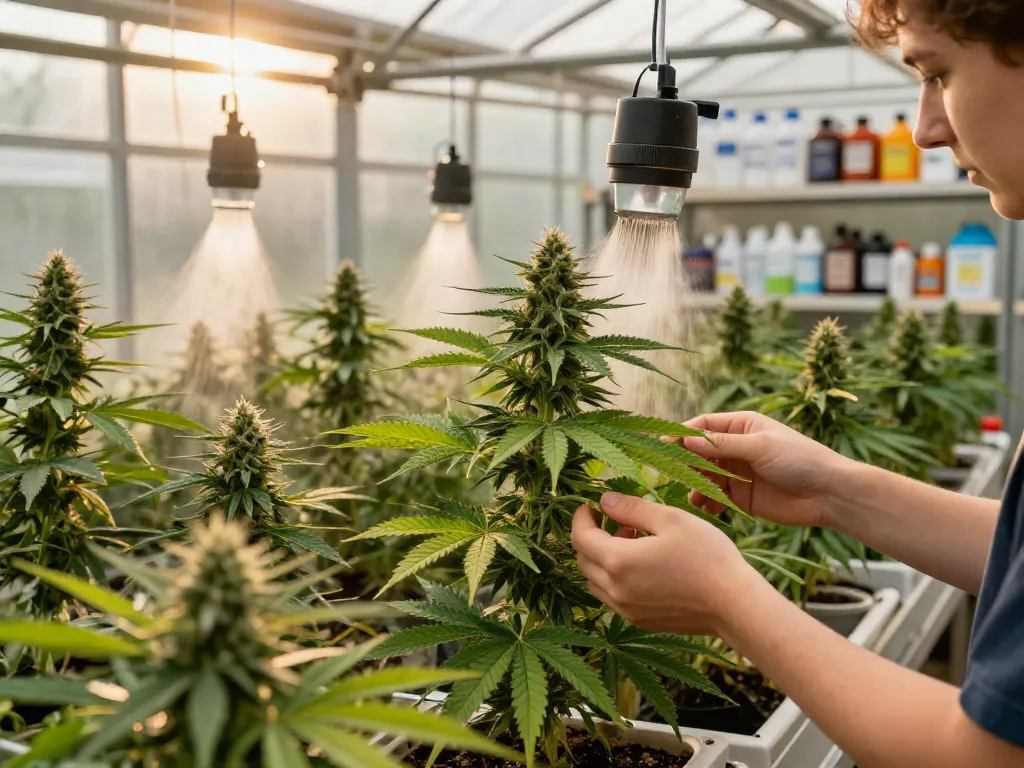
Understanding Triploid Seed Varieties
In the rapidly evolving world of cannabis cultivation, triploid seed varieties are gaining significant attention from growers seeking to enhance their yield and quality. Defined by their unique genetic structure, these seeds possess three complete sets of chromosomes, unlike the more common diploid varieties with only two. This genetic composition unlocks a myriad of benefits, making triploid seeds an intriguing choice for modern cultivators. When exploring options, triploid seed varieties provide comprehensive insights into the future of cannabis breeding and cultivation.
What Are Triploid Seeds?
Triploid seeds are a unique category in cannabis genetics, containing three sets of chromosomes. This genetic anomaly arises through a process where a tetraploid parent, with four chromosome sets, is crossbred with a diploid parent, resulting in offspring that possess three chromosome sets. This breeding method is not merely a gimmick; it represents a significant innovation in cannabis genetics. The presence of three chromosome sets leads to interesting biological traits, including reduced fertility, which can impact seed production.
Genetic Makeup and Breeding Processes
The genetic mechanics behind triploid seeds involve a complex interplay of breeding techniques. The foundational element begins with tetraploidy, where the first parent plant is genetically manipulated to have four sets of chromosomes. This is typically achieved through chemical or physical means. When this tetraploid plant is crossed with a normal diploid plant, the resultant seeds can inherit three sets of chromosomes, thus becoming triploid. This hybrid breeding captures the best traits from both parental lines, allowing breeders to manipulate the resulting plant's characteristics deliberately.
Comparison to Feminized and Autoflower Seeds
When comparing triploid seeds to feminized and autoflower varieties, it is essential to understand their distinct features. Feminized seeds are bred to produce only female plants, ensuring higher yields of consumable flowers. Autoflower seeds, on the other hand, transition from the vegetative stage to flowering based on age rather than light cycle, appealing to growers in regions with shorter growing seasons. In contrast, triploid seeds, while not guaranteed to yield only female plants, exhibit unique benefits such as natural resistance to pollination, which can be advantageous in commercial production settings.
Benefits of Using Triploid Cannabis Seeds
Enhanced Growth Rates and Flowering Times
One of the most significant advantages of triploid cannabis seeds is the potential for enhanced growth rates and quicker flowering times. The triploid condition can lead to faster cell division and growth, allowing plants to reach maturity sooner than their diploid counterparts. This trait is particularly beneficial for commercial growers looking to maximize output within limited time frames. As a result, triploid cannabis strains are becoming increasingly popular among both indoor and outdoor cultivators.
Resistance to Pollination and Detrimental Effects
Another compelling benefit of triploid cannabis seeds is their inherent resistance to pollination. Due to their genetic configuration, triploid plants often exhibit reduced fertility, which may limit the development of viable seeds when exposed to pollen. This characteristic is particularly advantageous for growers who wish to produce seedless crops, as it mitigates the risk of unwanted pollination that can ruin a crop's overall quality. This makes triploid seeds an attractive option for growers focused on producing high-quality cannabis products.
Increased Cannabinoid and Terpene Production
Triploid cannabis strains often demonstrate enhanced cannabinoid and terpene production, contributing to a richer flavor profile and more potent effects. The unique genetic structure encourages plants to allocate resources towards resin production, resulting in higher concentrations of THC, CBD, and other cannabinoids. Furthermore, terpenes—the aromatic compounds responsible for the scent of cannabis—also thrive in these plants, leading to a superior sensory experience for consumers. This increased production appeals to growers aiming to meet the rising demand for high-quality cannabis products in the market.
Challenges When Working with Triploid Varieties
Fertility and Seed Production Limitations
While triploid seeds present numerous advantages, they also come with specific challenges. The primary concern for growers is the reduced fertility associated with triploid plants. The uneven pairing of chromosomes during meiosis often results in lower seed production, making it difficult for growers who wish to cultivate from seed. Understanding this limitation is crucial, as it necessitates careful planning and management strategies to ensure successful harvesting and cultivation outcomes.
Understanding Chromosomal Pairing in Cultivation
The unique chromosomal structure of triploid plants can lead to inconsistencies in cultivation. Due to the complexity of genetic pairing, not all triploid plants will behave similarly. Some may exhibit traits that are more favorable than others, depending on the breeding lineage and the growing conditions. Growers must be aware of these variations and be prepared to adjust their cultivation practices accordingly to achieve optimal results.
Addressing Common Misconceptions
Common misconceptions surrounding triploid cannabis seeds often lead to confusion. For instance, while triploid seeds are often considered sterile, this is not an absolute rule. Sterility depends on multiple factors, including the genetic makeup of the parent plants and environmental conditions. Therefore, it's vital for growers to research and understand the specific characteristics of the triploid strains they are working with to navigate these misconceptions effectively.
Best Practices for Growing Triploid Cannabis
Optimizing Growing Conditions for Yield
To maximize the benefits of triploid cannabis seeds, growers must optimize their growing conditions. This includes ensuring adequate light, nutrients, and water for the plants. Triploid cannabis thrives in environments that facilitate rapid growth, making it essential to monitor these conditions closely. Additionally, implementing proper pH and nutrient management can significantly enhance plant health and productivity, leading to successful cultivation.
Using Technology in Cultivation
Employing modern agricultural technology can also elevate the cultivation of triploid cannabis. This may include advanced irrigation systems, climate control technologies for indoor setups, and even data analytics tools that monitor growth conditions in real-time. Using technology effectively allows growers to respond swiftly to changing conditions, ensuring that their triploid plants achieve optimal growth and yield.
Potential Pests and Disease Management
Like all cannabis varieties, triploid plants are susceptible to pests and diseases. Implementing an integrated pest management plan is crucial for protecting crops. This strategy can involve introducing beneficial insects, using organic pesticides, and practicing crop rotation. Additionally, keeping a close eye on plant health can help identify potential issues early, allowing for timely interventions that preserve yield.
The Future of Triploid Genetics in Cannabis Cultivation
Emerging Trends in Cannabis Breeding
The field of cannabis breeding is evolving rapidly, with triploid genetics poised to play a significant role in its future. As more growers seek to create unique strains that offer specific benefits, the interest in triploid seeds is likely to increase. Research into their genetic potential may unlock further advantages, paving the way for innovative cultivars that can thrive in various conditions.
How Triploid Varieties Will Shape the Market
Triploid cannabis varieties are expected to shape market trends as growers and consumers continue to explore their unique benefits. The potential for higher yields, enhanced flavors, and superior potency positions these seeds favorably in the competitive cannabis market. As demand for quality cannabis products rises, triploid strains could carve out a significant niche, offering both growers and consumers exciting new options.
Innovative Techniques on the Horizon
As the cannabis industry evolves, innovative breeding techniques combining triploidy with other advanced practices are likely to emerge. Techniques such as genomic editing and CRISPR technology may allow breeders to refine the desirable traits found in triploid strains further. Such advancements could lead to even more tailored products that meet specific consumer preferences, ultimately enhancing the overall cannabis experience.
What are the advantages of triploid seed varieties?
Triploid seed varieties provide unique advantages, including improved growth rates, enhanced cannabinoid production, and resistance to pollination. These traits make them particularly appealing for both commercial and home growers aiming for high-quality yields.
How do triploid seeds compare to traditional seeds?
Compared to traditional diploid seeds, triploid seeds often exhibit enhanced growth characteristics and genetic stability. They present a compelling option for growers interested in maximizing their cannabis cultivation efforts.
What challenges do growers face with triploid seeds?
While triploid seeds offer numerous benefits, challenges include reduced fertility and complications related to their chromosomal structure. Growers must navigate these issues carefully to ensure successful cultivation outcomes.
Can triploid seeds be used for home cultivation?
Yes, triploid seeds can be used for home cultivation, but growers should be prepared for the unique challenges they present. Understanding these nuances is crucial for achieving optimal results.
Are there any specific care tips for triploid plants?
Providing optimal growing conditions, monitoring nutrient levels, and implementing pest management strategies are vital for caring for triploid plants. Attention to detail in these areas will promote healthy growth and maximized yields.