The Current State of Glass Machine Suppliers
The glass manufacturing industry has witnessed significant transformations over the years, driven by advancements in technology, increasing demand for high-quality glass products, and a growing emphasis on sustainability. As we approach 2026, understanding the landscape of glass machine suppliers becomes paramount for businesses operating within this sector. From large-scale manufacturers to niche suppliers, the market is ripe with a variety of options, each offering unique capabilities tailored to different glass processing needs.
Industry Overview and Key Players
The global glass manufacturing sector comprises various players, including established manufacturers and emerging startups. Key industry participants like Eworld Machinery, which has been a leading glass machine manufacturer since 2002, provide essential equipment that spans the entire glass production process. This includes machines for cutting, washing, laminating, and polishing glass. Other notable names in the market include companies like Lisec Austria GmbH and Bottero S.p.A., known for their innovative technologies in glass fabrication.
As the demand for glass products increases across various industries—such as construction, automotive, and consumer goods—suppliers are continually innovating to remain competitive. This results in a dynamic environment where companies are not only focused on quality but also on enhancing customer service and customization capabilities.
Market Trends Shaping the Future
Several trends are influencing the market for glass machine suppliers. First, the rise of automation and smart manufacturing technologies is revolutionizing how glass products are produced. Facilities equipped with advanced robotics and AI-driven machinery can achieve higher efficiency and reduced labor costs.
Second, sustainability practices have become a focal point, with companies striving to reduce waste and improve energy efficiency. Suppliers are responding by offering eco-friendly machines that require less power and minimize material waste. Additionally, the push towards recycling glass is fostering innovations in manufacturing processes that use post-consumer glass as a raw material.
Impact of Technology on Glass Machinery
Technology is perhaps the most significant force driving change in the glass manufacturing sector. The integration of Industry 4.0 technologies, such as IoT (Internet of Things) capabilities, allows manufacturers to monitor machine performance in real-time, leading to proactive maintenance and reduced downtime. Furthermore, developments in laser cutting and CNC machinery are enhancing precision and expanding the capabilities of glass processing.
An emphasis on data analytics is also proving beneficial, as companies leverage insights gained from machine data to optimize production schedules and improve overall operational efficiency.
Understanding Different Types of Glass Machines
Insulating Glass Production Lines Explained
Insulating glass units (IGUs) play a crucial role in energy-efficient building designs. Production lines specialized in creating these units typically require precise machinery to assemble and seal multiple glass panes with insulating gas fills. These lines are essential for meeting the growing demand for energy-efficient windows and doors in residential and commercial buildings.
Essential Features of Glass Washing Machines
Glass washing machines are vital for preparing glass surfaces for further processing such as coating or laminating. Essential features to look for include adjustable cleaning speeds, high-temperature washing capabilities, and efficient drying systems that ensure spotless surfaces without damaging the glass. Innovations in washing technology are leading to enhanced cleaning efficacy and reduced water and chemical usage.
Best Practices for Glass Cutting Machines
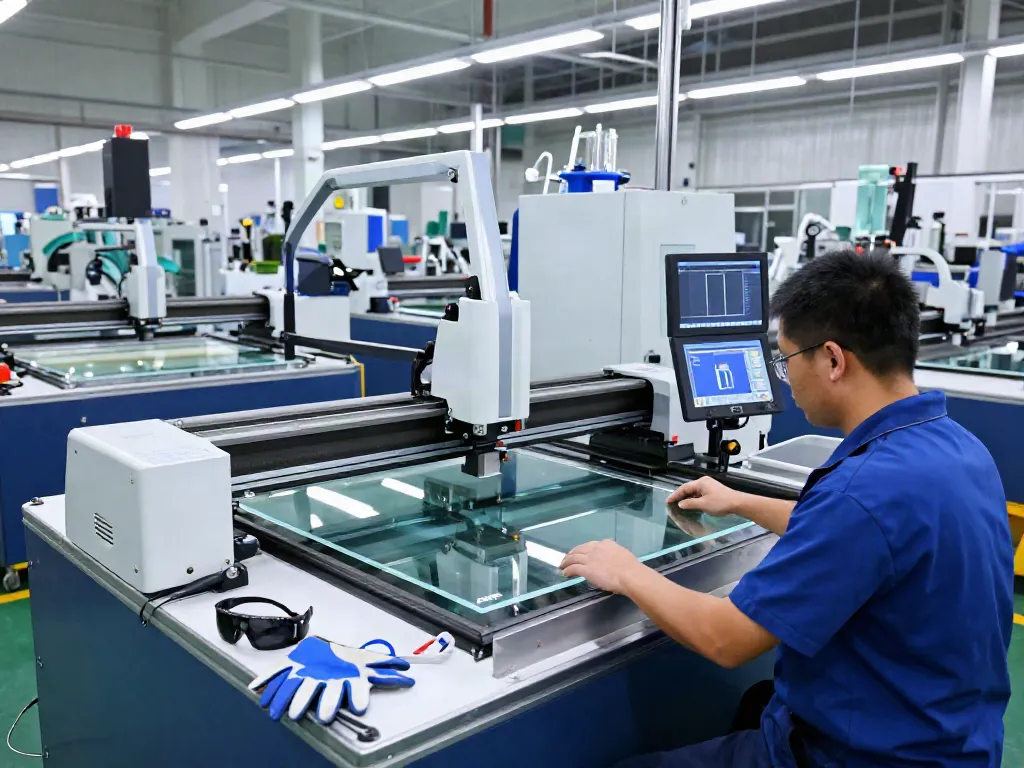
Efficiency in the cutting stage can significantly impact production costs. Best practices include regular maintenance to ensure blades remain sharp and operational. Furthermore, implementing computerized cutting systems that optimize glass layout can minimize waste and improve overall yield. Accurate measurements and skilled operators are also imperative for maintaining quality standards.
The Role of Safety in Glass Machinery Operations
Safety Standards and Regulations
Safety in the glass manufacturing industry is of utmost importance due to the potential hazards associated with heavy machinery and sharp glass products. Compliance with international safety standards such as ISO and OSHA regulations is crucial for protecting workers and ensuring safe operations. Regular training and updated safety protocols are essential in preventing accidents and injuries within manufacturing facilities.
Common Hazards in Glass Manufacturing
Common hazards include cuts from sharp glass edges, injuries from heavy machinery, and exposure to harmful chemicals used in cleaning and production processes. Recognizing these risks allows companies to implement more robust safety measures, including protective gear, proper training, and efficient emergency response protocols.
Implementing Effective Safety Protocols
To ensure a safe working environment, manufacturers should foster a culture of safety that encourages employees to report potential hazards without fear of reprisal. Regular safety audits and drills can help identify areas of improvement and maintain compliance with industry regulations. It is also beneficial to invest in advanced safety technology, such as machine guards and emergency stop systems, to mitigate risks.
Choosing the Right Glass Machine Supplier
Factors to Consider When Selecting Suppliers
When selecting a glass machine supplier, consider factors such as product quality, machine specifications, after-sales service, and the supplier’s reputation within the industry. It is essential to choose a partner that aligns with your specific needs and goals, capable of delivering machines that enhance operational efficiency and quality output.
Evaluating Machine Performance and Durability
Evaluating performance metrics such as production speed, operating costs, and maintenance requirements can provide insights into the durability and efficiency of the machinery. Engaging with other industry professionals and reviewing case studies can help identify which suppliers offer machines that meet the stringent demands of glass processing.
Building Long-term Partnerships with Suppliers
Building long-term relationships with suppliers fosters trust and ensures that companies receive ongoing support and access to the latest technologies. This partnership can lead to better pricing, customized solutions, and collaborative efforts to meet changing market demands.
Future Trends and Predictions for 2026
Emerging Technologies in Glass Manufacturing
As the industry heads towards 2026, emerging technologies such as augmented reality (AR) for training and virtual simulations for machine operations are set to reshape how training and operations are conducted. This enhanced focus on technology will likely improve workforce skills and operational efficiencies significantly.
Environmental Sustainability Practices
Sustainability will continue to drive innovations in glass machinery. Manufacturers are increasingly adopting practices such as closed-loop water systems, energy-efficient machinery, and utilizing recycled materials in production. These practices not only reduce environmental impact but can also lead to cost savings in the long term.
Market Predictions for Glass Machine Suppliers
Market predictions indicate a robust growth trajectory for glass machine suppliers, driven by the increasing demand for energy-efficient buildings and sustainable materials. The global emphasis on green building practices is expected to further increase the need for advanced glass manufacturing technologies, positioning suppliers well for future growth. A continued focus on R&D will be critical for suppliers aiming to stay at the forefront of innovation.
What is the average cost of a glass making machine?
The cost of glass manufacturing equipment can vary widely based on machine type, size, and capabilities. Entry-level machines may start at a few thousand dollars, while advanced systems, particularly those with automation features, can exceed hundreds of thousands. Budgeting for maintenance and operational costs is also important when considering overall expenditure.
Who are the top glass machine manufacturers?
Top manufacturers in the glass machine industry include Eworld Machinery, Lisec Austria GmbH, and Bottero S.p.A. These companies are recognized for their innovation, quality, and extensive product lines, serving various segments of the glass market.
How to maintain glass machinery effectively?
Effective maintenance of glass machinery entails regular cleaning, timely replacement of parts, and adherence to manufacturer-recommended maintenance schedules. Establishing a dedicated maintenance team equipped to handle technical issues can ensure minimal downtime and prolong the lifespan of the equipment.
What are the benefits of automation in glass processing?
Automation in glass processing enhances production speed, accuracy, and safety. Automated systems can reduce the reliance on manual labor, minimize human error, and optimize operations by ensuring consistent quality. Furthermore, they can lead to significant cost savings over time through improved efficiency and reduced waste.
How is the demand for glass machinery changing?
Demand for glass machinery is evolving in response to trends such as increasing environmental certifications in construction and the growing popularity of smart glass technology. Suppliers that can adapt to these changes by offering innovative solutions will likely capture a larger share of the market.