
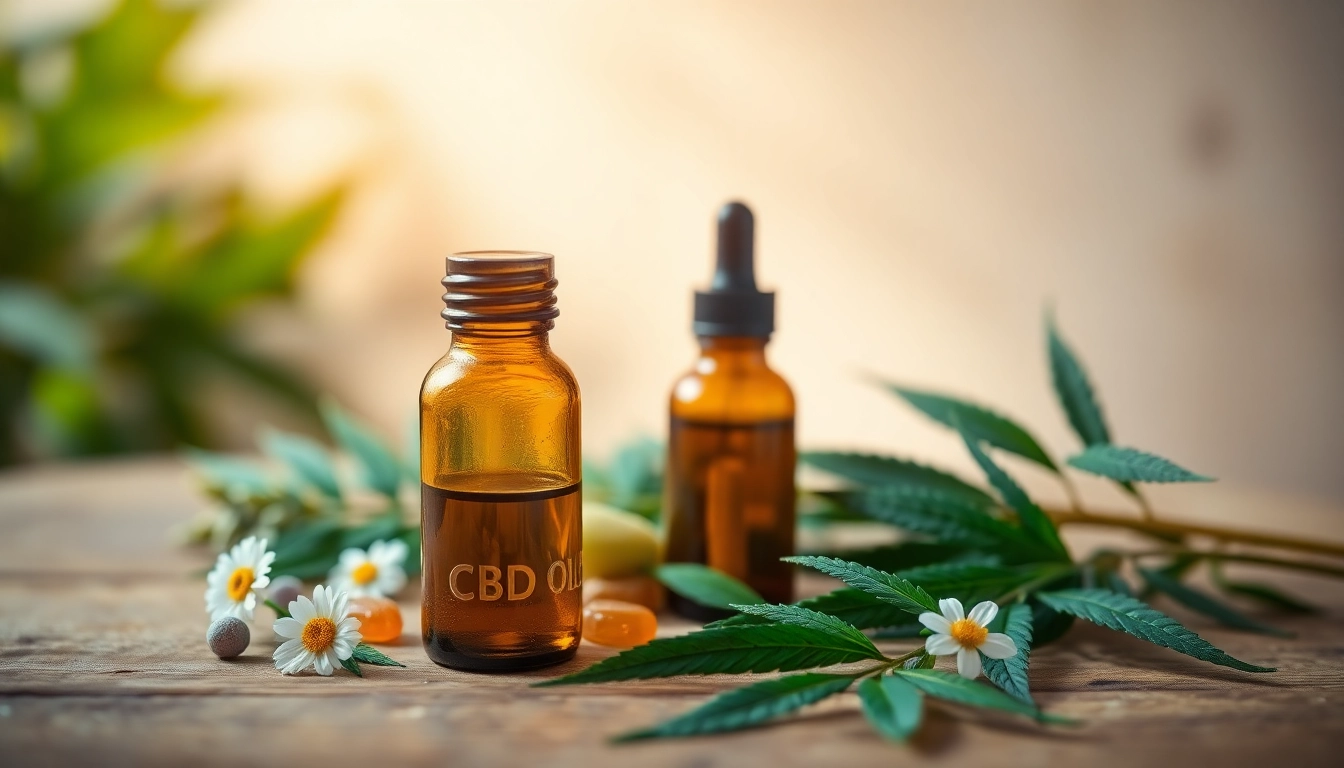
What is CBD? A Comprehensive Overview
Cannabidiol, commonly known as CBD, is a compound found in the resinous flowers of cannabis plants. Unlike its more renowned counterpart tetrahydrocannabinol (THC), CBD does not generate a psychoactive effect. Instead, it has been recognized for its potential therapeutic benefits, making it increasingly popular in various health and wellness products.
The Science Behind CBD
CBD is one of over 113 identified cannabinoids in the Cannabis sativa plant but is distinguished by its non-psychoactive properties. It interacts with the body’s endocannabinoid system (ECS), which plays a crucial role in maintaining homeostasis. The ECS consists of a network of receptors (CB1 and CB2) found in the brain and peripheral nervous system. While CB1 receptors primarily handle the effects of THC, CB2 receptors are more associated with immune function and pain relief. CBD’s affinity for these receptors allows it to alter neurotransmitter activity, leading to various physiological effects.
How CBD is Extracted
The extraction of CBD from hemp and cannabis is a pivotal process to ensure purity and potency. Various methods are used, including:
- CO2 Extraction: This method uses high-pressure carbon dioxide to isolate CBD, resulting in a clean, potent product. It is regarded as the industry standard.
- Solvent Extraction: Utilizes solvents like ethanol or butane, although this method may leave behind impurities if not executed correctly.
- Oil Extraction: A traditional method that involves soaking the plant material in a carrier oil, but results can vary in concentration and quality.
Each extraction method can influence the quality and composition of the final CBD product, reflecting its efficacy and safety for consumers.
Legal Status of CBD in the U.S.
The legal landscape surrounding CBD in the U.S. has evolved significantly in recent years. Following the 2018 Farm Bill, hemp-derived CBD products containing less than 0.3% THC became federally legal. However, state laws vary, creating a patchwork of regulations that can affect availability and legality. It is crucial for consumers to be informed about both federal and state laws regarding the use of CBD products, particularly when traveling or purchasing online.
Health Benefits of CBD
Research into CBD’s health benefits is ongoing, but early studies suggest several promising applications:
CBD for Anxiety Relief
Anxiety disorders are among the most common mental health conditions. CBD has been investigated for its potential to reduce anxiety levels by influencing the brain’s receptors for serotonin, a neurotransmitter linked to mood regulation. Some clinical trials have reported significant reductions in anxiety symptoms for those using CBD compared to a placebo.
Reducing Chronic Pain with CBD
Chronic pain affects millions of individuals worldwide. Evidence shows that CBD can interact with neurotransmitters and reduce inflammation, potentially alleviating pain. A systematic review highlighted its effectiveness in managing pain syndromes such as arthritis and multiple sclerosis. Furthermore, many patients report improved quality of life when utilizing CBD as part of their pain management regimen.
CBD's Effect on Sleep Disorders
Many individuals suffering from sleep disorders, such as insomnia, have turned to CBD for relief. Research indicates that CBD might help increase sleep duration and overall sleep quality. Its calming effects may be due to its interaction with the ECS and its ability to reduce anxiety and pain, both of which can significantly impact sleep.
Different Forms of CBD Products
The versatility of CBD has led to a variety of product types that cater to different preferences and needs:
Oil vs. Gummies: Which is Better?
CBD oils and gummies are popular options, each with unique advantages. CBD oils offer precise dosing, allowing users to customize their intake based on individual needs. They can be taken sublingually or added to food. Gummies, on the other hand, provide a tasty, discreet, and convenient way to consume CBD, but they typically contain predefined dosages. For those who dislike the flavor of oils, gummies present a palatable alternative. Ultimately, the choice depends on personal preference and lifestyle considerations.
Topical CBD Products and Their Uses
Topical CBD products, such as creams, balms, and salves, are designed for localized use. They can provide targeted relief for conditions such as muscle soreness, arthritis, or skin issues. The localized application allows for direct interaction with the cannabinoid receptors, potentially offering rapid relief without systemic effects. These products have gained traction among athletes and individuals seeking alternative pain management solutions.
Understanding CBD Dosage for Effective Use
Determining the correct dosage of CBD can be challenging, as it varies based on factors such as individual body weight, product concentration, and the specific condition being treated. Experts recommend starting with a low dose and gradually increasing it until the desired effects are achieved. Monitoring one’s reaction to CBD is crucial for finding the optimal dosage.
Potential Side Effects of CBD
While generally well-tolerated, CBD consumption may lead to side effects in some individuals, highlighting the importance of awareness before use:
Known Side Effects of CBD Consumption
Common side effects include dry mouth, drowsiness, changes in appetite, and gastrointestinal discomfort. While these effects are usually mild, they can vary based on individual sensitivity and dosage. Patients are encouraged to consult healthcare professionals before incorporating CBD into their routine, especially if they have pre-existing health concerns.
Interactions with Medications
CBD can interact with certain medications, particularly those metabolized by the liver. It may affect the liver enzymes that break down these medications, leading to altered effects. Individuals taking other medications should discuss their plans to use CBD with their healthcare provider to prevent any adverse reactions or reduced efficacy of their treatment.
Understanding CBD Tolerance
As with many substances, some users may develop a tolerance to CBD, necessitating higher doses to achieve the same effects over time. Monitoring one’s response to CBD and adjusting dosages accordingly can help manage tolerance levels and maintain product efficacy.
Choosing Quality CBD Products
The growing popularity of CBD has resulted in a wide array of products entering the market, underscoring the necessity for consumers to select high-quality options:
Identifying Third-Party Testing
Reputable CBD brands often submit their products for third-party lab testing. These independent assessments ensure product safety, purity, and potency. Consumers should prioritize brands that provide clear access to these test results, affirming their commitment to transparency and quality.
Reading Labels: What to Look For
When selecting CBD products, consumers must learn to read labels accurately. Look for the following:
- Type of CBD: Products can be full-spectrum, broad-spectrum, or isolate.
- Concentration of CBD: Ensure it aligns with your intended use.
- Origin of hemp: High-quality products are often derived from organic, U.S.-grown hemp.
- Ingredient transparency: Avoid any products with unnecessary fillers or additives.
Finding Trusted CBD Brands
With the explosion of CBD products in the market, identifying trustworthy brands can be challenging. Researching and assessing reviews, seeking recommendations from healthcare professionals, and verifying company transparency regarding sourcing and manufacturing practices can help consumers narrow their choices to those that prioritize quality and safety.